Kevin Surace
1 minute read

CISA just dropped a bombshell. In its latest alert (dated July 25, 2025), the U.S. Cybersecurity and Infrastructure Security Agency is now urging every enterprise to implement phishing-resistant multifactor authentication (MFA)—everywhere: for email, VPNs, and anything touching critical systems. Not “consider it.” Not “evaluate in the future.” Require it. Now.
Let’s be clear. This is not just a best practice. It’s a red-alert, top-priority, DEFCON-level warning from our own federal cyber defense team.
And if you’re still relying on SMS codes, authenticator apps, push approvals, or app-based 2FA, here’s what CISA is really saying:
Those systems are broken.
Why? Because attackers aren’t breaking in—they’re logging in.
Real-time phishing, MFA fatigue, spoofed login portals, and deepfake support calls are now the standard playbook for attackers like Scattered Spider. These social engineering campaigns can bypass legacy MFA in seconds.
Token’s biometric authenticators, TokenCore™ Wearable and TokenCore™ Portable, are built exactly for this moment. This threat. This escalation.
They deliver true phishing-proof security by combining:
Even if an attacker has a password, a spoofed site, or physical possession of the device—they get nothing without the authorized fingerprint and the exact domain match and proximity to the endpoint.
That’s what CISA means by “phishing-resistant MFA.” That’s exactly what Token delivers.
And guess what? Enterprises like Aflac, Qantas, and Ingram Micro just learned this lesson the hard way. Their outdated MFA systems let attackers in. Token would have stopped them cold.
Let’s not wait for another breach, or a $380 million lawsuit like Clorox’s, to admit the obvious:
It’s time to deploy authentication that attackers can’t bypass, spoof, phish, or relay.
The U.S. Government has spoken.
Now it’s your move. Request a demo.
No Token. No Entry.
CISA’s new report, The Journey to Zero Trust Using Secure Access Service Edge in a Modern TIC 3.0 Solution, is an important signal for every enterprise security leader. The federal government is moving away from the old perimeter security model. The model where you route every user through a VPN, inspect traffic at a central choke point, and assume that once someone successfully logs in, they can be trusted. That model no longer matches reality.
In September 2023, MGM Resorts suffered one of the most visible cyberattacks in recent memory. Hotel guests could not use digital room keys. Slot machines and ATMs were disrupted. Websites went offline. Operations across major properties were thrown into chaos. MGM later estimated the incident cost roughly $100 million in lost revenue. According to widely reported accounts, the front door was not kicked in by a zero day exploit, nation state malware, or some impossible technical breakthrough. It was opened with a phone call.
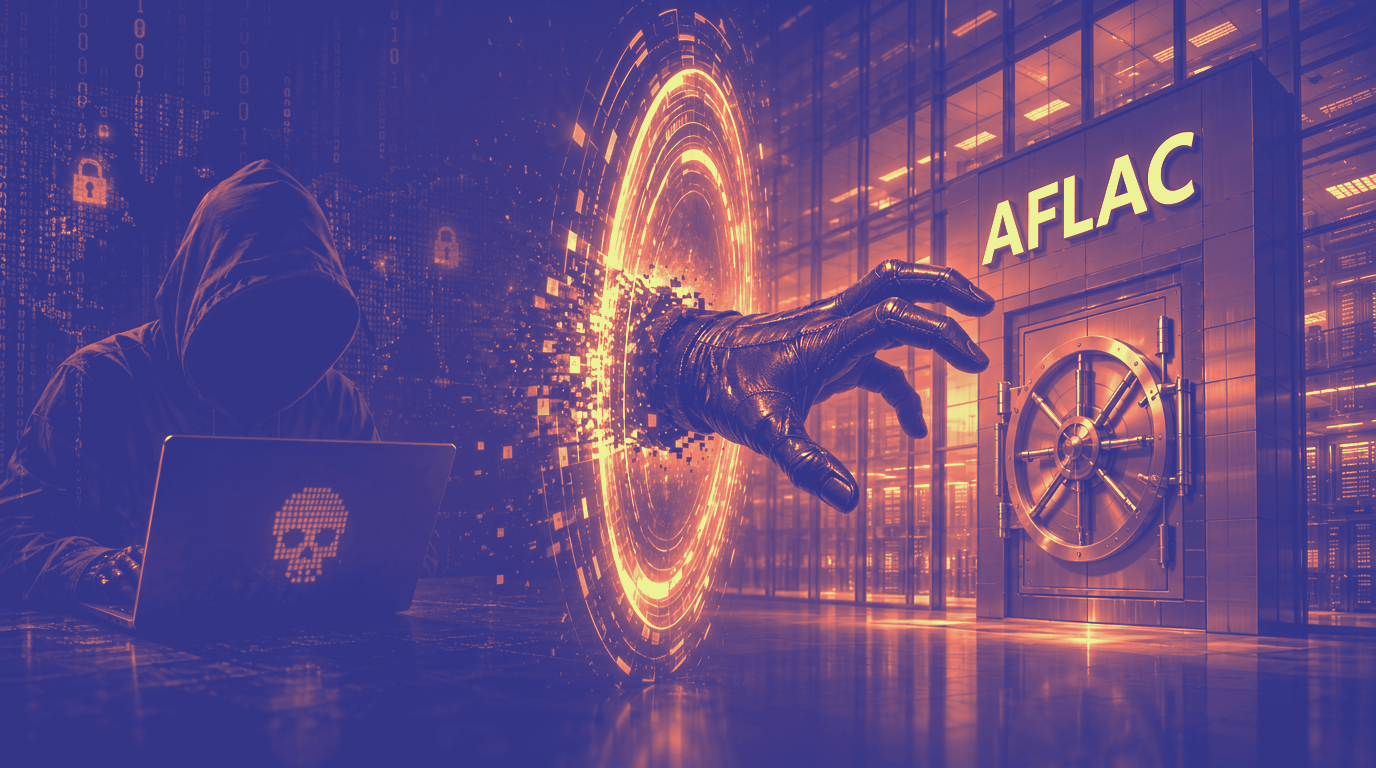
Last year, Aflac was swept into a wave of attacks that put the insurance industry on notice. Last week, Aflac disclosed another breach, this time involving its Japan subsidiary. The reported exposure includes policy information, personal data, and bank account information affecting millions of customers. We do not yet know the precise entry point in this new incident. It would be irresponsible to claim otherwise. But we do know the larger lesson.
Subscribe to The Assured Identity Brief for sharp insights on identity security, authentication, and the threats security leaders must stay ahead of.