Kevin Surace
1 minute read
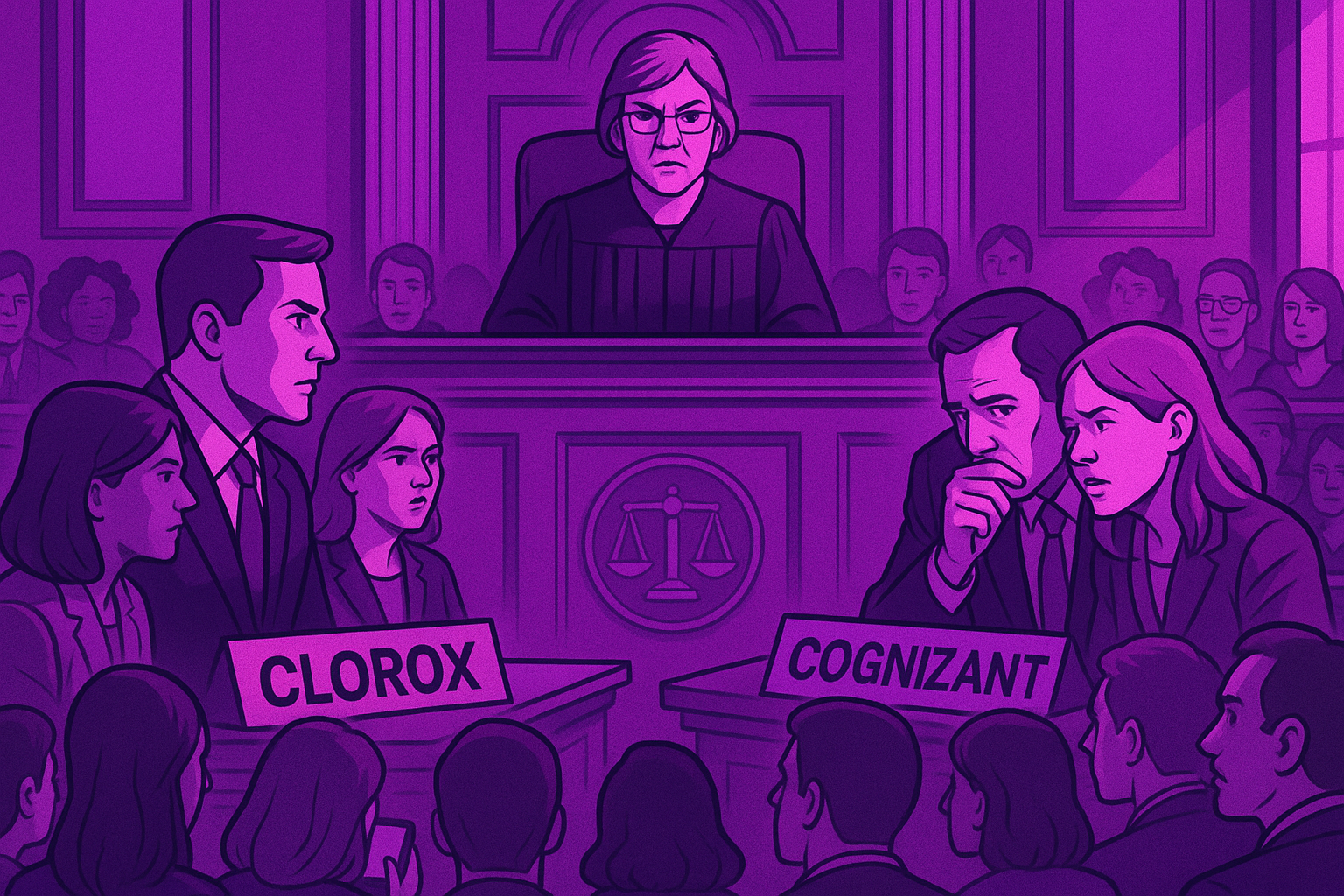
Cybersecurity Dive just reported that Clorox is suing Cognizant for $380 million after a cyberattack crippled operations. The alleged trigger? A hacker posed as an employee and convinced someone to hand over a password. That’s it. No advanced zero-day exploit. No AI-powered quantum hack. Just a social engineering phone call and a password—and now Clorox wants $380 million in damages.
WTF.
This isn’t 2001. We all know by now that passwords—and even so-called “modern” MFA methods—are the weakest link. The fact that a multi-billion-dollar company’s operations can still be tanked by a simple impersonation scam is staggering.
But here’s the real kicker: this could have been completely avoided.
If Clorox had used TokenCore™ Portable or TokenCore™ Wearable, that hacker would have gotten absolutely nowhere. Here’s why:
And yet, companies are still betting their entire operations on outdated authentication methods like passwords, SMS codes, and authenticator apps—the very methods attackers are targeting because they work.
This lawsuit shouldn’t just be a wake-up call for Cognizant (and we don’t know what really happened here so they are innocent till proven otherwise). It’s a wake-up call for every enterprise still playing security roulette with legacy MFA. The technology to make this kind of social engineering attack impossible already exists.
It’s Token. Use it, and these $380 million “oops” moments simply don’t happen.
So ask yourself this: What’s cheaper, rolling out Token, or paying $380 million because someone believed a fake phone call?
Cybercriminals claiming affiliation with the ShinyHunters group have reportedly breached Wynn Resorts, demanding $1.5 million to prevent the release of stolen data. If accurate, the intrusion follows a pattern that has now repeated itself across hospitality, retail, insurance, and aviation. (Read the full article on Casino.org) The method is consistent. The attackers did not defeat network defenses. They authenticated.
Another Preventable Breach Another week. Another preventable breach. This time it is DoorDash, confirming that a social engineering scam gave attackers access to sensitive customer and driver information. But the real story is not the scam. The real story is the failure behind it.

Ransomware does not start with ransomware. It starts with access. An attacker who can log in as a legitimate user can move quietly through the network, escalate their privileges and deploy a payload before anyone notices. Most ransomware defences focus on the payload stage. The attackers win before that stage is even reached. The ransomware kill chain is a framework for understanding how attacks progress from first contact to full compromise. Breaking it requires understanding where in the chain authentication failures occur and what it would take to close them.
Subscribe to The Assured Identity Brief for sharp insights on identity security, authentication, and the threats security leaders must stay ahead of.