Kevin Surace
1 minute read
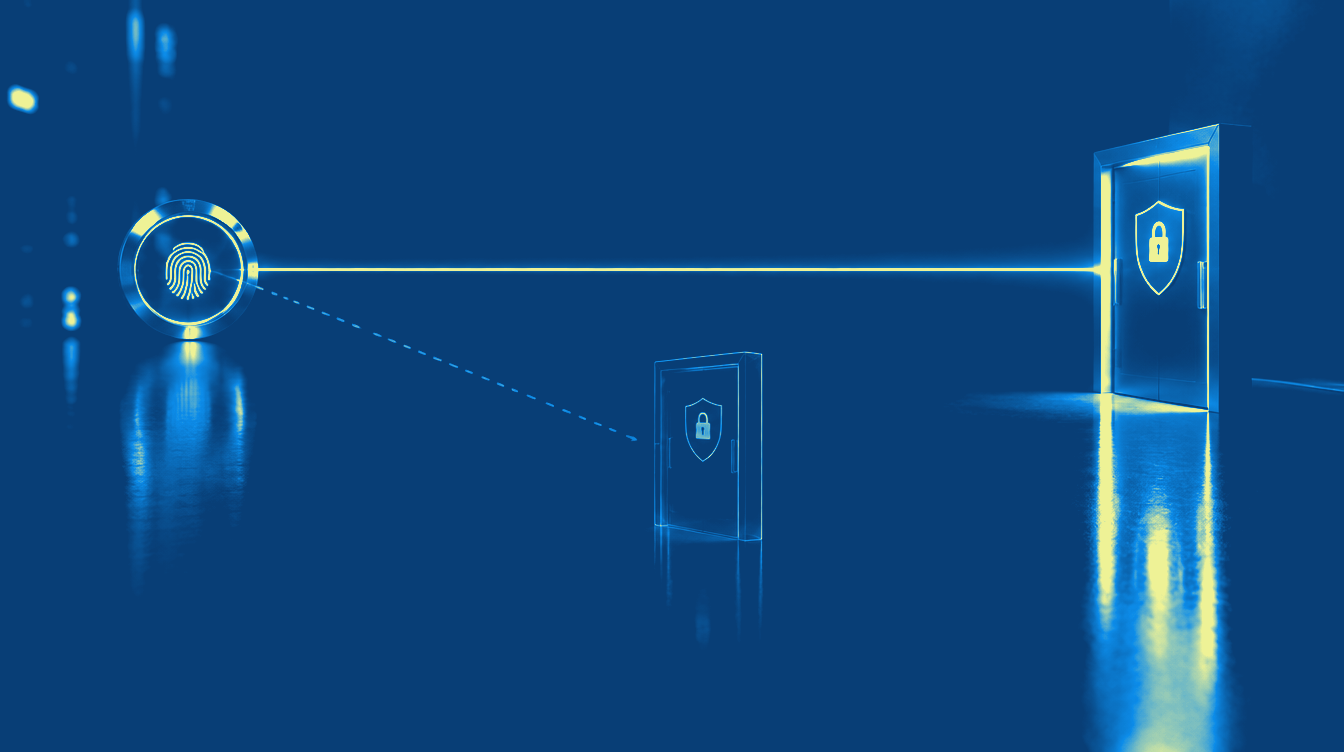
The Aflac breach last week wasn’t pulled off by elite hackers—it was enabled by the same
outdated multi-factor authentication (MFA) most enterprises rely on today.
Attackers used real-time phishing to trick users into approving logins via SMS codes or push-
based authenticator apps. These legacy methods don’t validate who is authenticating or where the
request is coming from. If a user is duped into interacting with a spoofed site, the attacker can
relay the authentication flow and gain full access—no hacking required.
This isn’t theoretical. It’s a common technique used by groups like Scattered Spider, who’ve hit
multiple insurers in the past month alone. And it’s becoming the preferred and easiest method to
gain access to almost any system. Because users feel protected by auth apps, and yet now
arguably they offer no protection from this type of simple attack.
Phishing-resistant authentication, specifically biometric FIDO2-based identity verification, closes this hack down completely. Solutions like TokenCore™ Wearable or TokenCore™ Portable go beyond codes and approvals:
If any part of that chain is spoofed or proxied (e.g., a phishing site), the authentication simply
fails. The private key won’t respond.
This convenient technology prevents real-time phishing, credential replay, and prompt fatigue
attacks. Even if a user clicks a malicious link, the attacker hits a wall—no credentials to steal, no
session to hijack.
I worry that legacy MFA like SMS and authenticator apps are no longer defensible and in
essence =obsolete as this easy social engineering hack gains widespread use. Enterprises
handling sensitive data need phishing-resistant authentication that cryptographically binds login
credentials to who is logging in, what device they’re using, and where they are.
The breach at Aflac could have been stopped. But CISO’s need to understand their auth apps and
legacy MFA are hacked daily. Even though they may have just rolled them out. It’s time to dump
them.
Ready to move beyond legacy MFA to identity assurance? Request a demo? Request a demo.
The team at Stingrai recently published one of the better explanations I’ve seen of Adversary in the Middle (AiTM) phishing attacks and why they’ve become one of the fastest-growing threats facing enterprises today. Their article explains not only how these attacks work, but why organizations that have already deployed multi factor authentication are still finding themselves compromised. It’s well worth reading because it highlights a difficult truth many security teams are just beginning to accept: successful authentication no longer means the right person logged in.

More than 40,000 Department of Homeland Security employee and contractor records have reportedly been exposed, including personnel from ICE, Customs and Border Protection, CISA and other sensitive agencies. And the most important part of this story may be how the attackers say they got access. Okta. According to reporting from Reuters and others, the group behind the breach claims the data was obtained through the Okta single sign on environment used by DHS personnel. DHS is investigating the breach. Okta says there is no evidence that Okta itself was compromised.
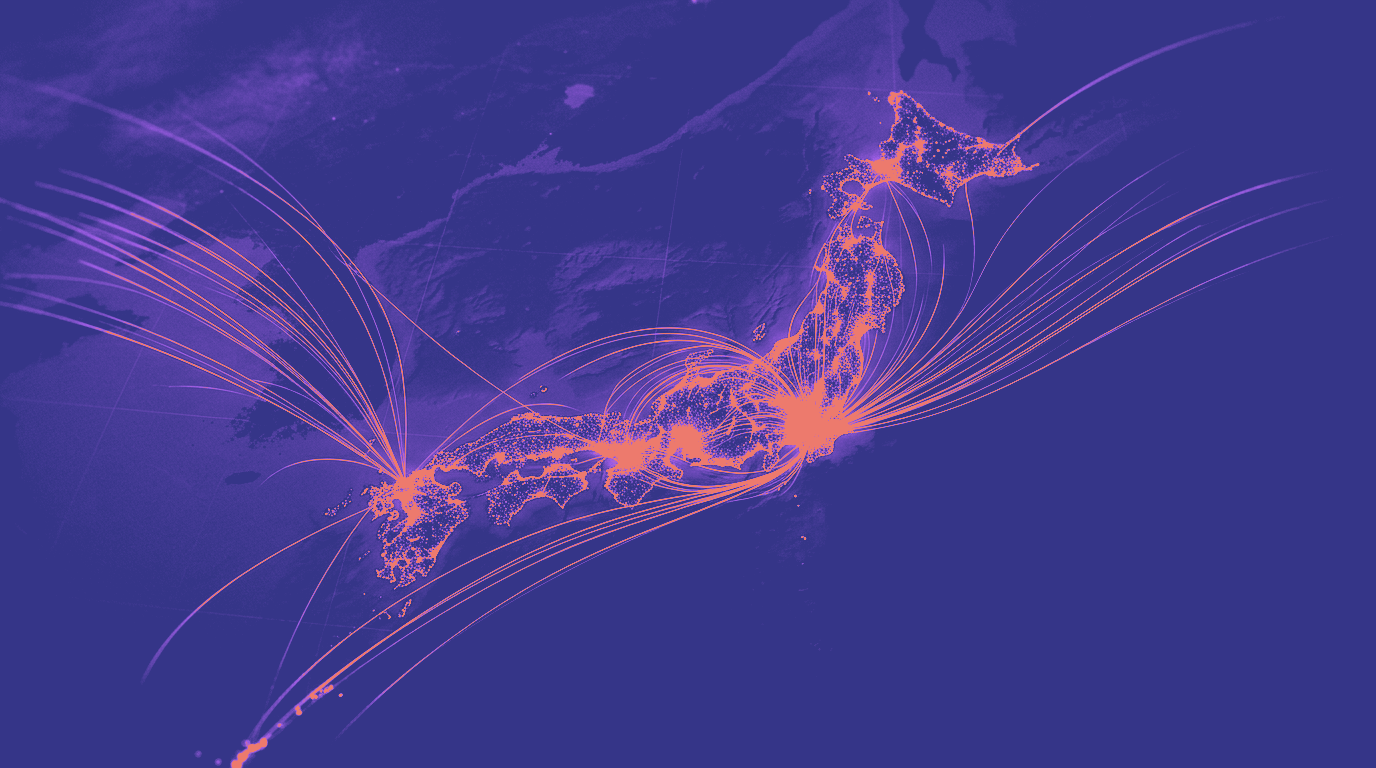
Japan is experiencing a remarkable wave of cyberattacks. The head of the ruling Liberal Democratic Party’s cybersecurity organization recently described the situation as a “state of emergency in cyberspace.” More than 20 major organizations have reportedly suffered attacks, affecting industries ranging from financial services and transportation to retail, cloud infrastructure and hospitality. Japan’s National Cybersecurity Office has separately warned about a succession of unauthorized access and data leakage incidents across numerous sectors. Ransomware is moving in the opposite direction from the rest of the world. According to Microsoft data cited in recent reporting, ransomware attacks globally declined 3 percent between July 2025 and June 2026. In Japan, they increased 67 percent. But underneath the extraordinary numbers is a more important cybersecurity story.
Subscribe to The Assured Identity Brief for sharp insights on identity security, authentication, and the threats security leaders must stay ahead of.