As cybersecurity threats evolve, enterprises must stay ahead with advanced solutions. Our report, "Next-Generation MFA: Security Assurance for the Modern Enterprise," is based on a survey conducted and written by Datos Insights. In this report, we explore how leading Financial Service CISOs are addressing these challenges with cutting-edge multifactor authentication (MFA) strategies.
Introduction
Multifactor authentication (MFA) has been a cornerstone of enterprise security for over two decades. However, traditional MFA methods are frequently failing against today’s sophisticated cyber threats. Our report, based on insights from 18 senior cybersecurity executives at leading financial institutions, delves into the urgent need for next-generation MFA (NGMFA) solutions.
Key Insights from the Report
The Evolution of Cyber Threats
The report highlights the rapid advancement of cyber threats, driven by criminals using Generative AI, to enhance phishing and ransomware attacks. Legacy MFA, which relies heavily on passwords and user actions, is no longer sufficient.
Phishing-Resistant MFA
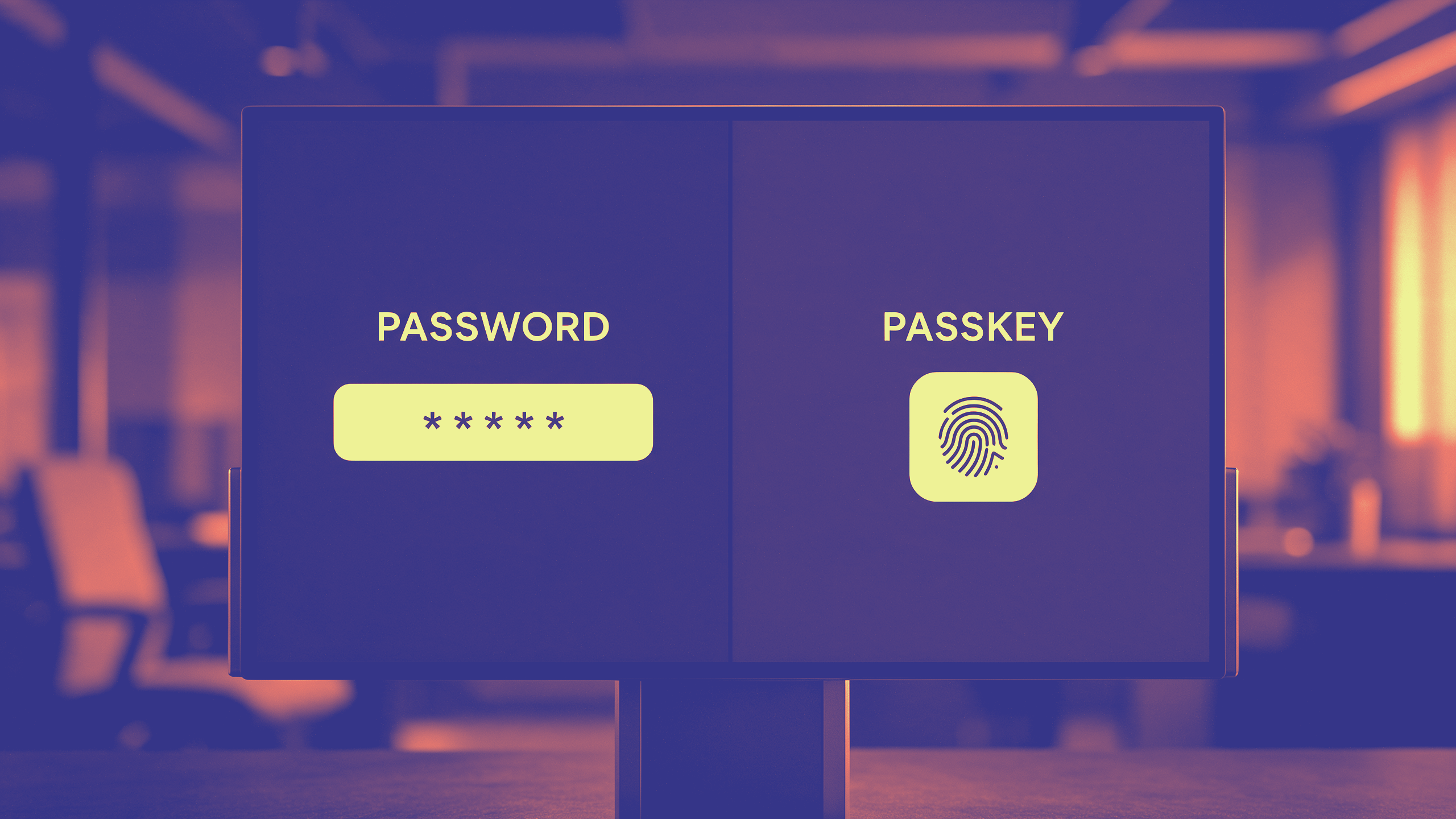
One of the critical findings is the necessity of phishing-resistant MFA, such as solutions based on FIDO2 standards. These advanced methods can eliminate passwords and significantly enhance security, offering a stronger defense against sophisticated attacks.
The Role of Wearable Technology
A standout innovation is the introduction of smart ring technology as a form of NG MFA. These devices offer high security by leveraging biometric data, making them a promising solution for protecting sensitive business functions.
Real-World Benefits
CISOs reported several potential benefits from deploying NG MFA, including improved security posture, better risk management, and enhanced user experiences. The report includes practical deployment insights and budget considerations to help organizations evaluate a possible transition to these advanced solutions.
Why Download the Full Report?
By downloading the full report, you’ll gain access to:
- In-Depth Analysis: Detailed examination of current MFA trends and the move towards next-generation solutions.
- Expert Opinions: Insights from top CISOs on the future of identity management and the critical role of MFA.
- Practical Strategies: Actionable advice on implementing NG MFA to enhance your organization’s security.
- Comprehensive Findings: Thorough analysis of the benefits and challenges associated with NG MFA deployment.
Curious why leading CISOs are transitioning from outdated legacy MFA to Next-Generation Multifactor Authentication (NG MFA) solutions?
Stay ahead of emerging phishing and ransomware threats with the latest strategies and expert recommendations. Equip your organization with the tools it needs to protect against advanced cyberattacks.