Cyber Insurance Is Leaving Legacy MFA Behind
Half of insured organizations were required to upgrade their MFA tools to qualify for or renew a cyber insurance policy. For many, what they had was not enough.
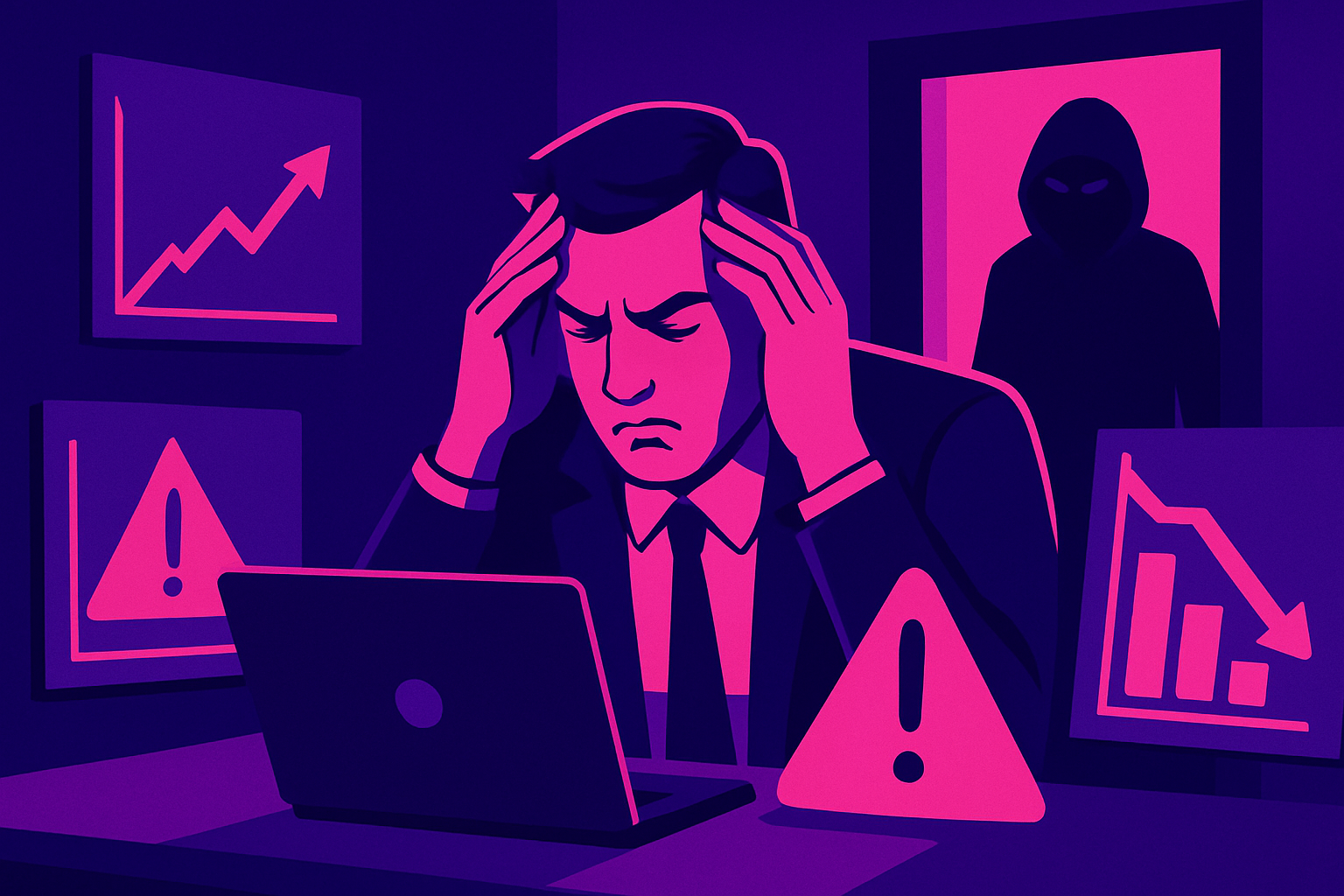
Insurers are no longer treating MFA as a yes or no question. They want to know what kind. Legacy MFA, including SMS codes, push notifications and authenticator apps, are increasingly failing their tests. This page covers what insurers are now requiring, why legacy MFA falls short and what phishing-resistant authentication looks like from a coverage standpoint.
What Insurers Are Now Requiring
Insurers have moved beyond asking whether MFA is in place. The question now is whether the MFA deployed qualifies as phishing-resistant.
Many carriers now explicitly require FIDO2-compliant authentication for high-risk applications and privileged access. Some require it across the board. Organizations using SMS-based OTPs or push notifications may find those methods accepted for lower-risk access but insufficient for full policy qualification.
Insurers are effectively setting a technical floor. An organization that cannot demonstrate phishing-resistant MFA for critical systems may face higher premiums, reduced coverage or policy denial at renewal.
How Legacy MFA Affects Your Premium
Premiums have been rising regardless of an organization’s security posture. Rates have increased 50 to 100 percent across the market as ransomware losses compound. But authentication posture directly affects where within that range an organization lands.
Carriers price risk. An organization running SMS-based MFA on critical systems presents a different risk profile from one running phishing-resistant hardware. The 79 percent of insured organizations who reported a rate increase on application or renewal were not all paying the same increases.
Half of those renewal conversations came with a requirement to upgrade MFA tools to qualify. Not a recommendation. A condition.
Which risks does a cyber insurance policy typically cover?
A comprehensive cyber insurance policy includes coverage for losses or expenses resulting from a cyberattack. These may include losses due to:
- Destruction of digital assets
- System repairs or replacements
- Business interruptions
- Data retrieval and recovery
- Forensic investigations
- Breach response and remediation
- Ransom payments
- Lost revenues
Many policies also cover expenses related to:
- Litigating and hiring legal counsel
- Crisis management
- Notifying customers about a breach
- Recovering the personal identities of affected customers
Which risks does a cyber insurance policy not cover?
Like insurance products, most cyber insurance policies also contain “exclusions”. It’s well-known that home insurance buyers cannot file a claim for damages that occurred before purchasing the policy. Similarly, an organization affected by a breach cannot file a claim to recover costs if the breach occurred before the cyber insurance policy was purchased. Breaches due to poor security practices or due to human error are also usually excluded from payout. Insurers also rarely entertain claims for attacks resulting from preexisting and/or known vulnerabilities.
Furthermore, 38% of cyber insurance policies are now excluding coverage for “human error” which typically includes phishing attacks and social engineering. This is all the more reason to invest in an MFA solution proven to stop such threats.
What Qualifies as Sufficient MFA
Insurers use the term phishing-resistant MFA but not all carriers define it the same way. The clearest technical benchmark is FIDO2 compliance. Authentication must bind credentials to a specific device and domain, produce no transferable code and verify identity at the hardware level. That is what satisfies the most demanding insurer requirements.
SMS codes, time-based OTPs and push notifications do not meet this standard. They produce transferable values that can be intercepted or socially engineered. Insurers that exclude phishing attacks under human error clauses are signaling they will not pay claims where the authentication layer could not have stopped the attack.
Biometric wearable authenticators that bind to the user’s fingerprint and generate FIDO2-compliant credentials qualify. They remove the transferable factor entirely and satisfy both the phishing-resistant requirement and the human error exclusion concern.
Conclusion
In an expanding risk landscape, the continuity and longevity of a business depends on its ability to withstand cyber threats. Cybersecurity measures and cyber insurance are both essential to this effort.
Reliance on legacy solutions hinges on the unrealistic expectation that users will somehow recognize and overcome every new and sophisticated hacking attack they receive via emails, text messages, and malicious webpages. This unfulfilled promise of legacy MFA solutions is reflected in the soaring costs of the average data breach, now $9.4 million for U.S. companies. Enterprises and SMBs that invest in cyber insurance and strong defenses like TokenCore™ Wearable can protect themselves from devastating financial losses. Confronted with these rising costs, it is clear why cyber insurance is not just a nice-to-have for modern organizations, but a need-to-have.