John Gunn, CEO, Token
2 minute read
The integration of generative AI into infrastructure security marks a significant shift in combating cyber threats. Two leaders in technology, Vishal Amin, General Manager of Defense Security Solutions at Microsoft and John Gunn, CEO of Token, shared their insights in a recent cybersecurity summit hosted by Cyber Security Summit. They discuss how this technology is revolutionizing the field. The following summarizes some of their thoughts on the profound impact of Generative AI on cybersecurity strategies and hacker tactics.
Generative AI has fast become a critical component in every organization. Its application extends from enhancing productivity to redefining security measures against evolving cyber threats. GenAI technologies are increasingly becoming central in the development of sophisticated threat detection and prevention systems.
In the current digital age, embracing GenAI in cybersecurity is essential. Organizations like Microsoft are at the forefront, integrating AI responsibly and ethically into their security frameworks. The challenge lies in balancing technological innovation with ethical considerations, ensuring AI serves primarily as a tool for protection while limiting its use as a weapon for adversaries.
The duality of GenAI in cybersecurity presents a unique set of challenges. While GenAI is already significantly improving the capabilities of defenders, it also opens avenues for misuse by malicious entities. The need for stringent ethical guidelines and responsible deployment of AI technologies is more critical than ever in the cybersecurity domain.
GenAI is a game-changer in the way cybersecurity professionals' approach digital threats. Its capabilities in real-time threat detection and response are transforming traditional security operations by enabling organizations to detect the anomalous behavior of intruders in real-time instead of weeks or months later. Beyond cybersecurity, GenAI's influence spans across various sectors, showcasing its versatility and transformative power.
Looking ahead, the impact of GenAI on cybersecurity is poised to be monumental. The future landscape hinges on how GenAI is utilized – it could lead to a utopian scenario where AI-driven solutions significantly enhance security, or a dystopian outcome where it becomes a tool for widespread cybercrime. Hackers are already using the LLMs of GenAI to improve the effectiveness of their phishing attacks with a 1,000% increase in the frequency as well.
Generative AI stands at the forefront of the new era in cybersecurity. As the technology races forward, its responsible and ethical implementation will be crucial in determining its role in shaping our digital defense mechanisms. The balance between leveraging GenAI's capabilities and mitigating its risks will define the future of cybersecurity.
Cybersecurity Dive just reported that Clorox is suing Cognizant for $380 million after a cyberattack crippled operations. The alleged trigger? A hacker posed as an employee and convinced someone to hand over a password. That’s it. No advanced zero-day exploit. No AI-powered quantum hack. Just a social engineering phone call and a password—and now Clorox wants $380 million in damages.
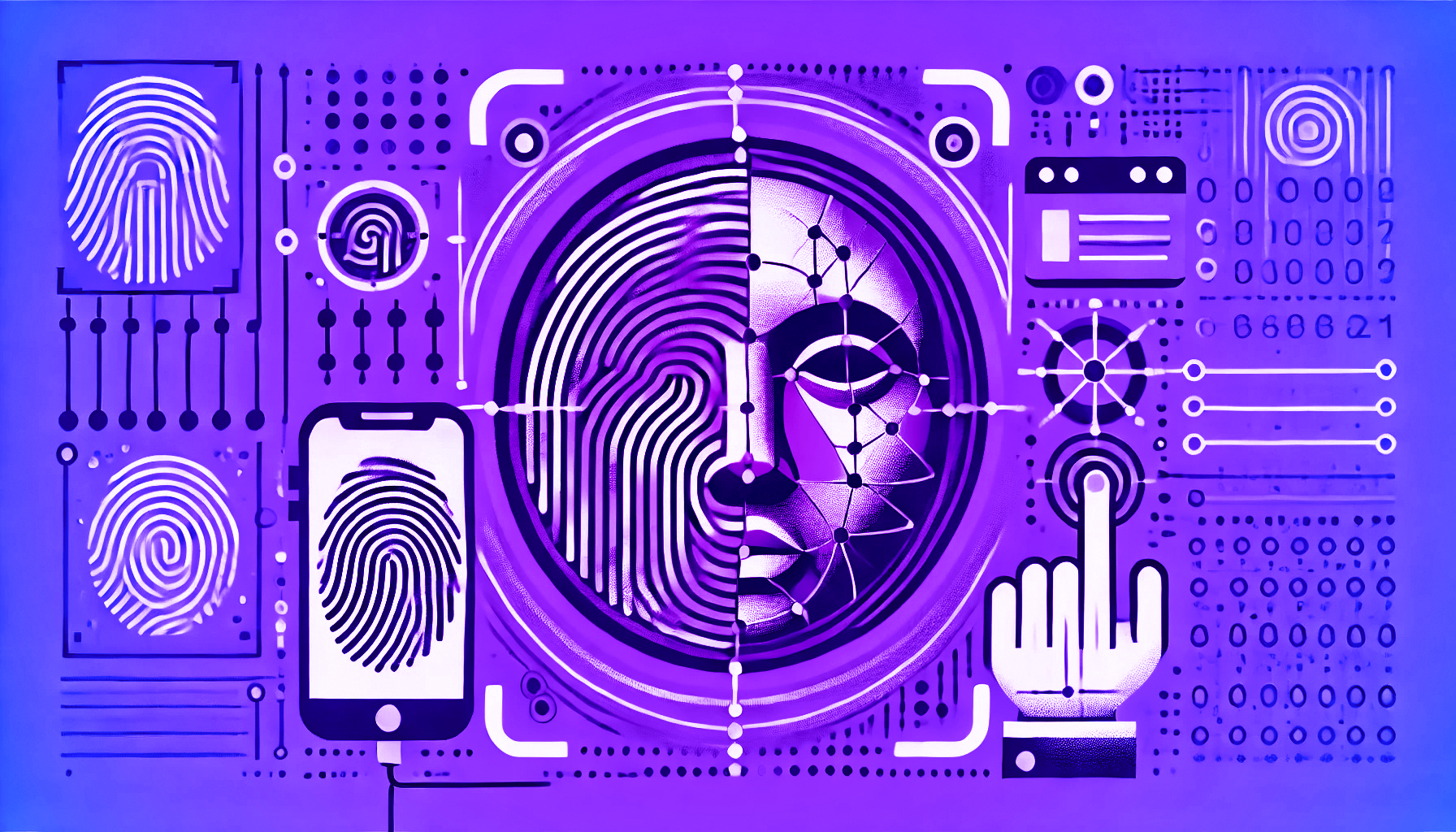
From the perspective of someone responsible for securing an enterprise organization, the inclusion of biometric recognition capabilities in PCs and phones has been a positive development. The draw of using biometrics for recognition is that most are suitably unique and entropic, such that the biometric will more secure than a short passcode or easily-remembered password. Furthermore, biometric verification systems are viewed by most as being intuitive and convenient to use. In this way, biometric verification as the way users authenticate themselves to their devices has reduced a large attack surface for organizations whose employees work remotely or in hybrid environments. At first glance, one biometric authenticator may seem as secure as another. Users might feel secure using the fingerprint scanner on their Windows laptop, and the experience may be similar across different devices. However, the security and effectiveness of biometric systems vary significantly. This blog will explore the differences between fingerprint authentication built into popular PCs and next-generation biometric multifactor authenticators, highlighting vulnerabilities and how advanced solutions, such as these, provide the expected security and convenience.
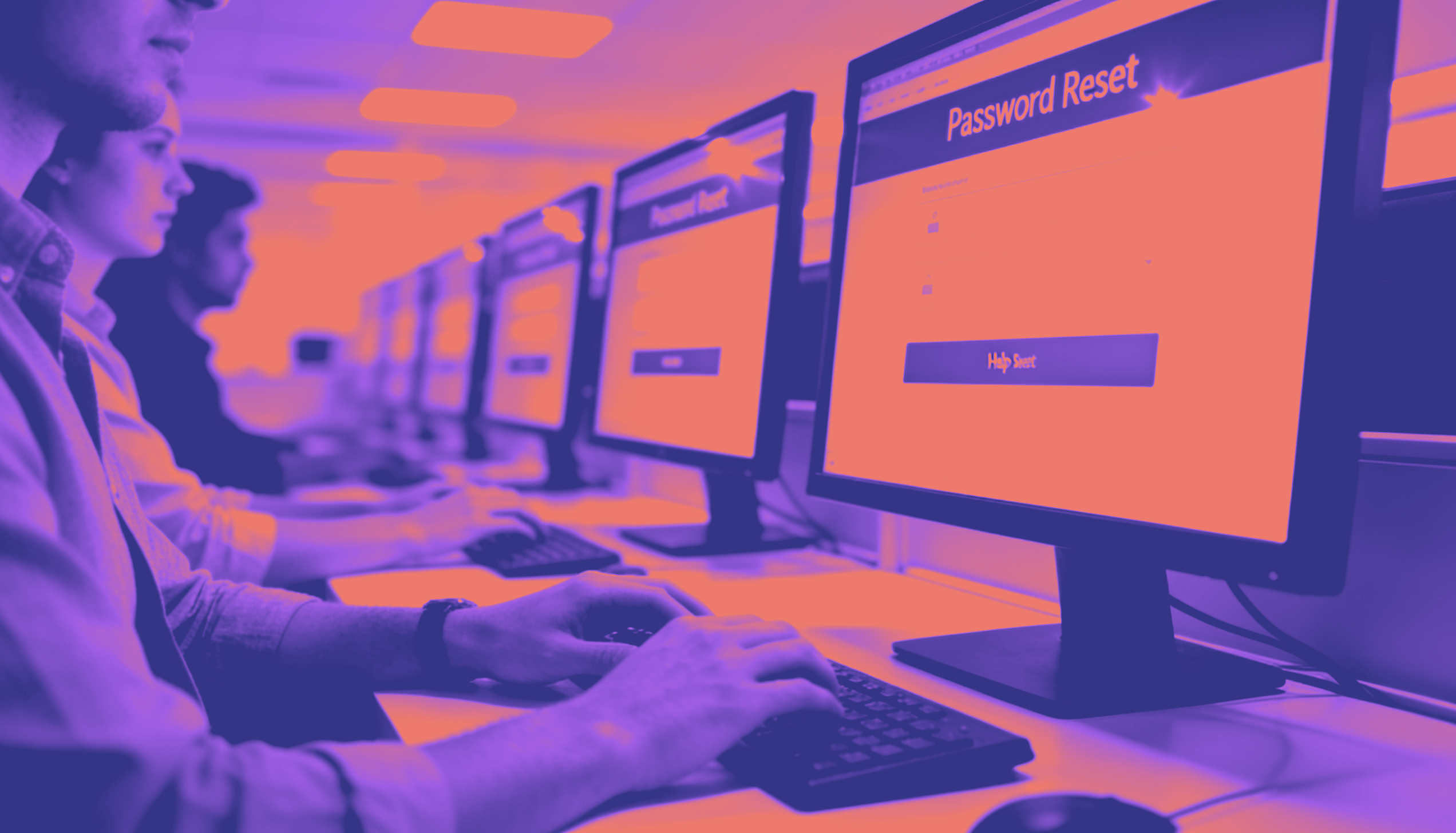
Jaguar Land Rover reportedly brought more than 30,000 employees onsite to reset their passwords after its cyberattack. That may have been necessary cleanup. But let’s be honest about what it was. Security theater. JLR was reportedly hit by a group linked to Scattered Spider. And Scattered Spider does not need yesterday’s password to come back tomorrow. Its documented playbook is built around social engineering employees and IT help desks into resetting passwords, replacing MFA factors, enrolling new devices, and granting access to accounts they should never control.
Subscribe to The Assured Identity Brief for sharp insights on identity security, authentication, and the threats security leaders must stay ahead of.