Device-based biometrics are the Only Way to Restore It.
The Warning From Newsweek
Newsweek just published one of the clearest warnings yet about the identity crisis businesses are walking into. The article, “AI Deepfakes Are Forcing Companies to Rebuild Trust,” lays out the problem with uncomfortable precision.
According to Newsweek, AI generated deepfakes have increased by more than 3,000 percent in the last year alone. That number should terrify every company that still relies on voice verification, phone calls, or human judgment to approve identity. Even worse, the article notes that criminals are using AI to mimic voices, mannerisms, accents, and even emotional tone with near perfect accuracy. Fraudsters no longer need to know you. They just need 10 seconds of audio.
The Scale of the Problem
This line from the article says it all.
“Deepfake fraud losses are expected to exceed 25 billion dollars by 2026.”
There is no training that can keep up with that. No call center script. No help desk workflow. No security awareness module. When AI can clone a person instantly and convincingly, trust collapses. Newsweek puts it plainly.
“Companies can no longer assume the person on the other end of the line is who they claim to be.”
Attackers Are Impersonating People, Not Breaking In
That is the problem behind every breach you read about today.
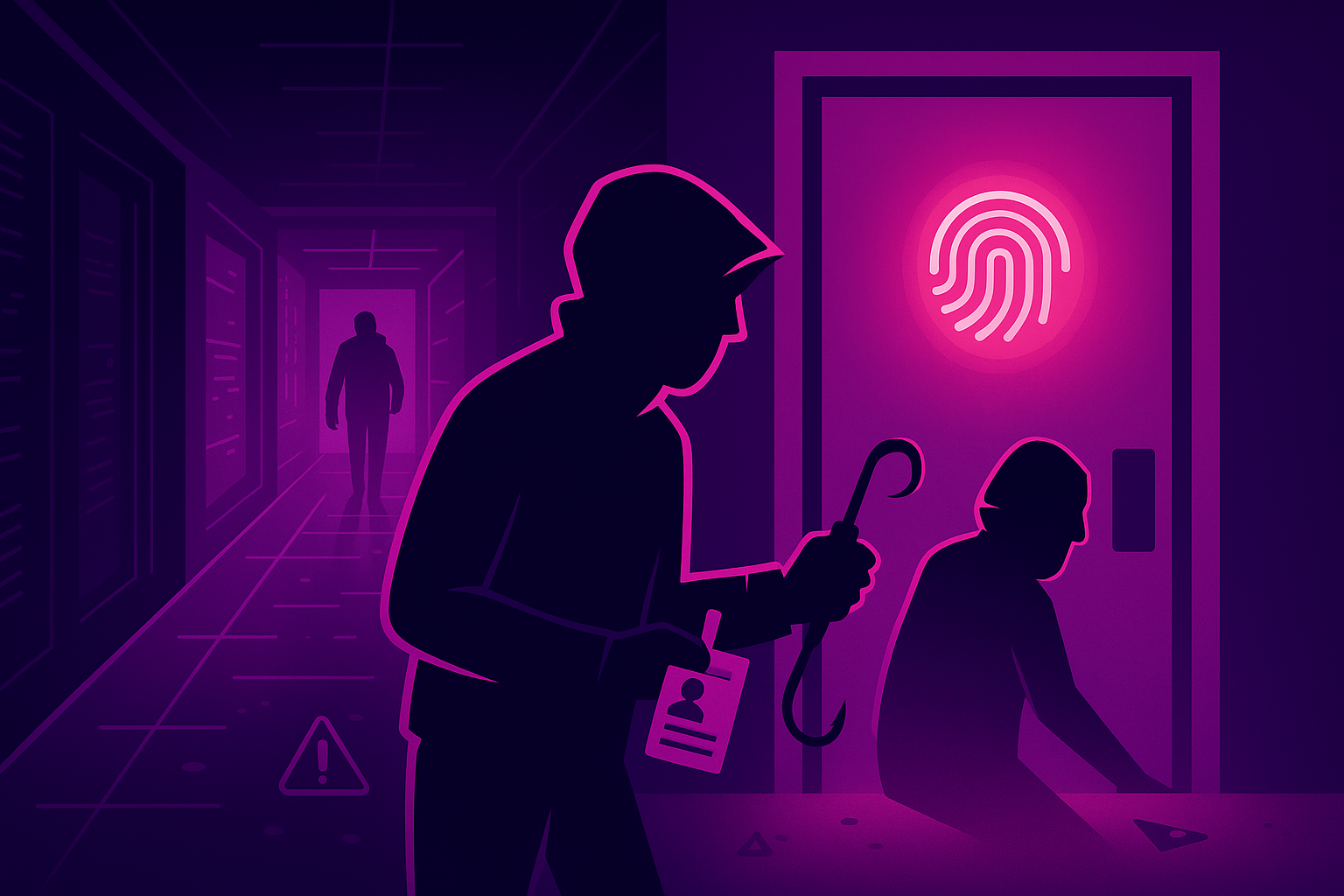
Attackers are not breaking in. They are impersonating real people.
They are taking advantage of systems that still ask human beings to determine whether someone is legitimate.
Legacy MFA Makes Deepfake Attacks Easier
-
SMS codes.
-
Push approvals.
-
Authenticator apps.
-
Recovery emails.
-
Help desk resets.
All of these trust the human.
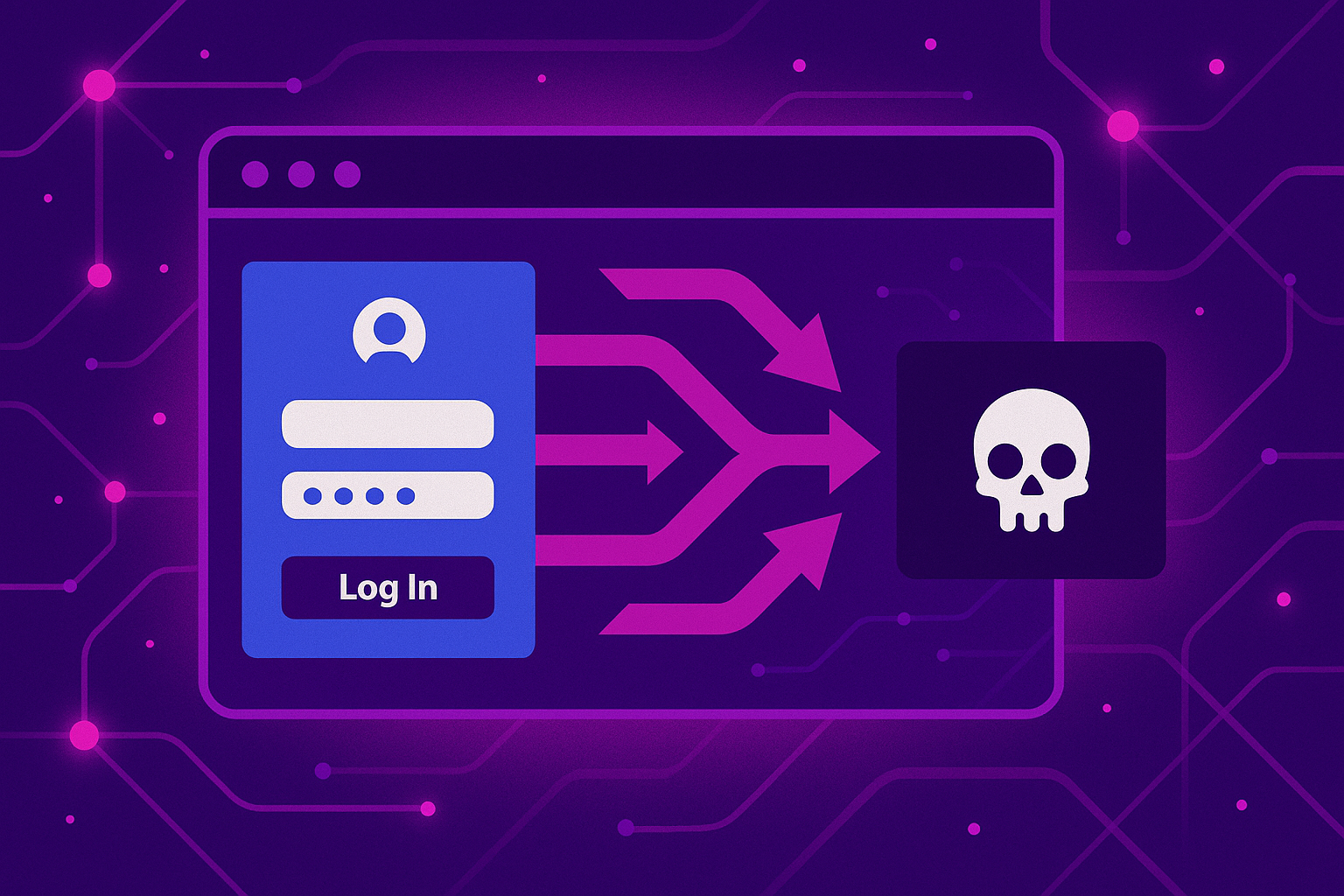
All of these can be manipulated by a fake voice or a deepfake video.
All of these fail under the exact conditions Newsweek is warning about.
What Can Still Be Trusted?
So if a voice can no longer be trusted, and a video can no longer be trusted, and a phone call can no longer be trusted, what is left?
Only one thing.
A device-bound biometric that cannot be faked, forwarded, cloned, or relayed.
The Only Identity Signal AI Cannot Imitate
TokenCore™ Wearable and TokenCore™ Portable do exactly that.
-
They authenticate the real person by requiring a live fingerprint match on a physical device.
-
They authenticate the real device by requiring proximity to the machine logging in.
-
They authenticate the real destination by cryptographically verifying the domain
-
A deepfake cannot produce a fingerprint.
-
A cloned voice cannot produce a hardware bound cryptographic key.
-
A spoofed site cannot receive a signature tied to the correct domain.
Rebuilding Trust Requires Biometrics
Only a device based biometric proves you are talking to the actual person.
Not a recording. Not a simulation. Not an AI copy.
Newsweek is right. Companies must rebuild trust. But you cannot rebuild trust with legacy MFA or human judgment. You can only rebuild it with technology that defines identity in a way AI cannot imitate.
The world is shifting to biometric, device bound, phishing proof identity.
That is the future.
And it is the only future that makes sense.
Token products are available online now at store.tokencore.com