The Grafana GitHub Token Breach: The Front Door Was Identity

Kevin Surace
2 minute read
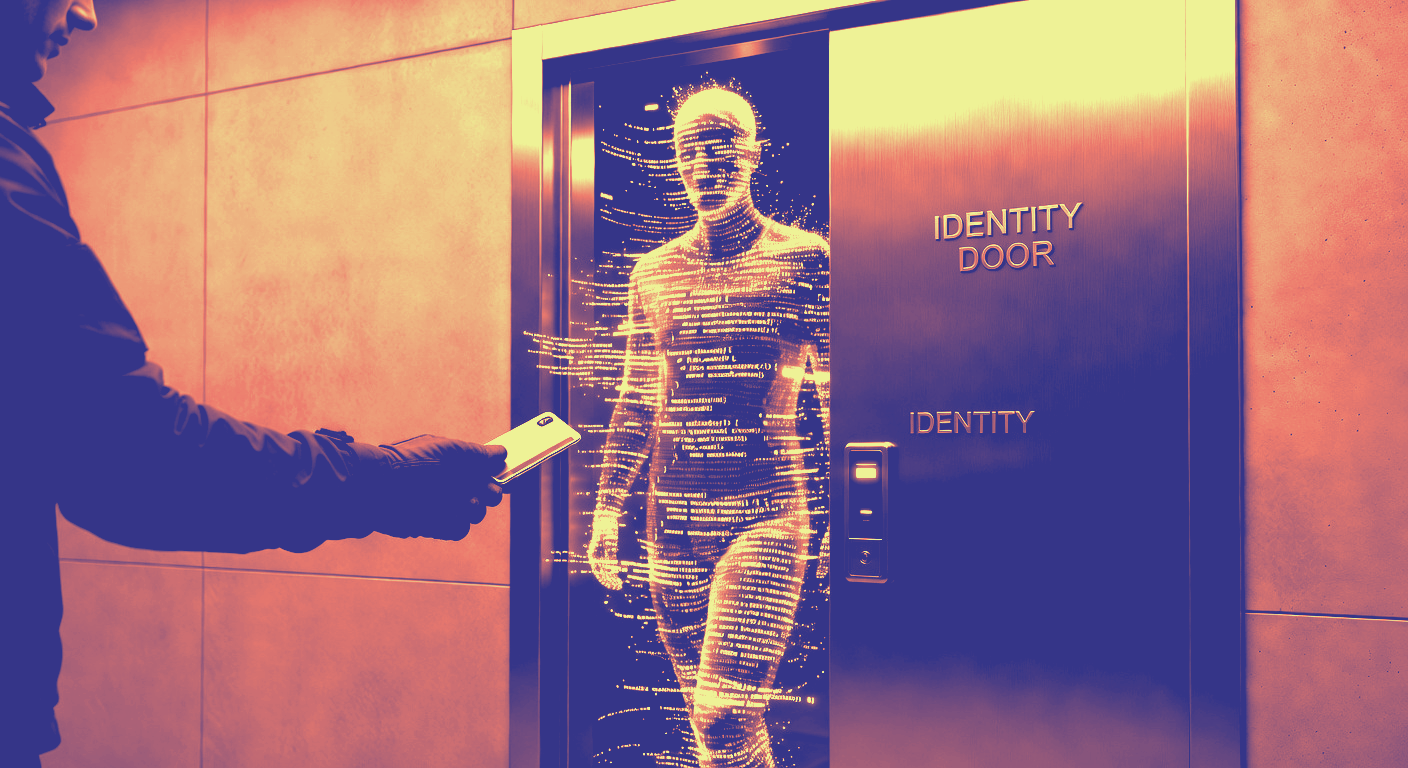
Attacker reaches the identity door

Grafana recently disclosed that an unauthorized party obtained a token granting access to the company’s GitHub environment and used it to download portions of its codebase. Grafana confirmed that no customer data or personal information was accessed, invalidated the compromised credentials, and applied additional controls. The response was fast, and the containment was effective.

The underlying lesson is the one that matters. The attacker did not exploit a zero-day. They did not defeat a firewall. They did not break encryption. They held a valid token, and the system accepted it. Read the Hacker News report here.

Hackers don’t break in. They log in.

Trusted Access Is the Target

Reporting on the incident attributes the activity to CoinbaseCartel, assessed by Halcyon and Fortinet FortiGuard Labs as connected to the ShinyHunters, Scattered Spider, and LAPSUS$ ecosystems. These groups are not defined by novel malware. They are defined by identity abuse: credential theft, token theft, help desk manipulation, session hijacking, and phishing. The same reporting indicates 170 victims across healthcare, technology, transportation, manufacturing, and business services.

This is an operating model. And it raises a question every CISO should be able to answer plainly: what protects the organization when an attacker holds a valid token, a valid session, or a valid approval?

Legacy MFA Was Not Built for This

Legacy MFA improved on passwords. Attackers have since adapted to every method that followed.

SMS codes are intercepted, phished, and SIM-swapped. Push notifications are defeated through fatigue. Authenticator app codes are relayed in real time through spoofed login pages. Help desks are socially engineered into resetting credentials. Tokens and sessions are stolen and reused.

The pattern is consistent. Most MFA implementations confirm that someone holds a credential or approved a prompt. They do not prove that the right human is physically present, on the right device, on the legitimate domain, at the moment of authentication. That gap is where modern attackers operate.

Identity Is the Last Control That Cannot Fail

A GitHub token is identity. A session cookie is identity. A help desk reset is identity. A password recovery flow is identity. When attackers control any of these, they use the trust the enterprise already granted. There is nothing left to bypass.

More awareness training will not close this gap. Training matters, but it cannot scale against AI-generated phishing, real-time relay infrastructure, and cloned login pages. The path forward is not to harden judgment. It is to remove judgment from the authentication decision.

Authentication must be bound to the real person, the real device, the real domain, and verified physical presence.

Cryptographic Proof of the Individual

Token delivers cryptographic proof that the human accessing a system is exactly who they claim to be. Not a phone. Not a code. Not a synced credential. Not a shared secret.

Authentication is enforced through FIDO2-certified biometric verification, cryptographic domain binding, a secure element, and proximity. The private key never leaves the device. The credential is bound to the legitimate domain. A live fingerprint match is required. The device must be physically present.

There is no code to relay. No prompt to approve under pressure. No password to reuse. No synced secret to exfiltrate. No remote authentication path for an attacker who is not the user.

This is the difference between adding another factor and changing the architecture of identity.

The Lesson Beyond Grafana

Grafana responded quickly and contained the impact. The broader industry lesson is not specific to one company. Trusted access is now the target, and the systems that grant it must prove the human, not just the credential.

Stay Identity Assured

Subscribe to The Assured Identity Brief for sharp insights on identity security, authentication, and the threats security leaders must stay ahead of.